
Luxury Handbags Market to Reach USD 60.98 Billion by 2035 Driven by Sustainability Trends at 6.15% CAGR
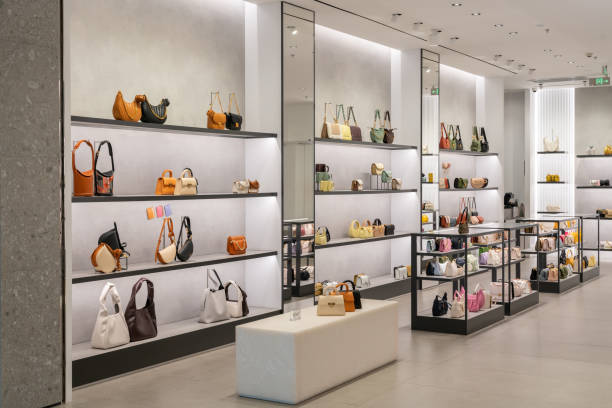
Luxury Handbags Market
Luxury Handbags Market is projected to grow from USD 33.57 billion in 2025 to USD 60.98 billion by 2035, driven by customization, and premium fashion demand.
NEW YORK, NY, UNITED STATES, June 17, 2026 /EINPresswire.com/ --The global Luxury Handbags Market continues to demonstrate strong growth momentum as affluent consumers increasingly prioritize premium fashion accessories, exclusivity, craftsmanship, and brand heritage. Luxury handbags have evolved beyond functional accessories to become status symbols, investment pieces, and expressions of personal identity. According to industry estimates, the market was valued at USD 31.63 billion in 2024 and is projected to grow from USD 33.57 billion in 2025 to USD 60.98 billion by 2035, registering a CAGR of 6.15% during the forecast period (2025–2035). Rising disposable incomes, expanding luxury consumer bases, and increasing demand for sustainable luxury products are contributing significantly to market expansion.
The luxury fashion industry has undergone substantial transformation over the past decade. Consumers are increasingly seeking products that combine exclusivity, quality, and ethical sourcing. Luxury handbag manufacturers are responding by incorporating sustainable materials, digital customization options, and innovative production techniques into their product portfolios. Furthermore, the rapid growth of e-commerce platforms and direct-to-consumer luxury retail channels has improved accessibility to premium handbags across emerging and developed economies.
The competitive landscape of the Luxury Handbags Market is characterized by the presence of globally recognized luxury brands that continually invest in innovation, craftsmanship, and brand positioning. Major market participants include Louis Vuitton, Chanel, Gucci, Hermes, Prada, Dior, Fendi, Burberry, and Balenciaga. These companies leverage strong brand equity, extensive retail networks, celebrity endorsements, and limited-edition product launches to maintain their competitive advantage. Strategic collaborations, sustainable product lines, and digital engagement initiatives are further strengthening their market positions.
One of the most influential growth drivers is the increasing consumer preference for sustainable luxury products. Modern luxury buyers, particularly millennials and Generation Z consumers, are demanding transparency regarding sourcing practices, environmental impact, and ethical manufacturing standards. Luxury brands are introducing eco-friendly materials, recycled leather alternatives, and circular fashion initiatives to align with evolving consumer expectations while maintaining premium product quality and exclusivity.
Free Sample Copy - Access A Complimentary Copy of Our Report to Explore Its Content and Insights
https://www.marketresearchfuture.com/sample_request/7922
The market is segmented by Product Type, with key categories including tote bags, shoulder bags, satchels, clutches, crossbody bags, backpacks, and other premium handbag formats. Tote bags continue to dominate the market due to their versatility, spacious design, and suitability for both professional and casual settings. Their practical functionality combined with luxury aesthetics makes them highly desirable among consumers seeking everyday premium accessories.
Shoulder bags represent another significant segment within the luxury handbags industry. These products remain popular due to their timeless appeal, elegant designs, and compatibility with diverse fashion styles. Luxury brands frequently introduce new collections featuring premium materials, distinctive hardware, and signature branding elements that attract both loyal customers and new luxury buyers.
Crossbody bags and clutches are experiencing strong demand, particularly among younger consumers and fashion-conscious urban populations. Crossbody bags offer convenience, mobility, and modern styling, making them ideal for contemporary lifestyles. Meanwhile, luxury clutches continue to maintain strong demand for formal events, evening wear, and special occasions, where exclusivity and sophisticated design are highly valued.
Digital transformation is significantly reshaping the luxury handbag industry. Advanced customization technologies now enable consumers to personalize products through monogramming, color selection, material choices, and unique design features. Such personalization enhances customer engagement, strengthens brand loyalty, and allows luxury brands to deliver highly differentiated products. Digital tools also help brands create immersive shopping experiences through augmented reality, virtual showrooms, and AI-powered recommendations.
Another emerging trend supporting market growth is the increasing popularity of luxury handbags as investment assets. Limited-edition collections and iconic handbag models often retain or appreciate in value over time. This perception has encouraged consumers to view luxury handbags not only as fashion accessories but also as collectible items with potential long-term financial value. The growing secondary resale market further supports this trend by enhancing product liquidity and market visibility.
From a regional perspective, Europe remains one of the largest markets for luxury handbags. The region benefits from its rich fashion heritage, strong luxury manufacturing ecosystem, and concentration of globally recognized luxury brands. Countries such as France and Italy continue to serve as major production and innovation hubs for premium handbags, attracting consumers seeking authenticity, craftsmanship, and heritage-driven products.
North America represents another major market driven by high consumer spending power, increasing luxury consumption, and growing demand for premium lifestyle products. The United States remains a key contributor to regional growth due to its large affluent population and strong luxury retail infrastructure. Digital luxury retailing and omnichannel strategies are further supporting market expansion across the region.
The Asia-Pacific (APAC) region is expected to witness the fastest growth during the forecast period. Rising disposable incomes, rapid urbanization, and expanding middle-class populations in countries such as China, India, South Korea, and Southeast Asian nations are driving luxury goods consumption. Younger consumers in the region are particularly attracted to luxury brands as symbols of social status, personal success, and lifestyle aspirations. Additionally, increasing adoption of online luxury shopping platforms is accelerating market penetration.
South America and the Middle East & Africa (MEA) are also presenting attractive growth opportunities. Economic development, increasing tourism activity, and growing exposure to international luxury brands are supporting demand across these regions. Luxury retailers are expanding their physical and digital presence to capitalize on emerging consumer segments seeking premium fashion products.
The future outlook for the Luxury Handbags Market remains highly positive. Technological innovation, sustainability initiatives, digital customization, and evolving consumer preferences are expected to shape the next phase of industry development. Luxury brands that successfully balance heritage craftsmanship with modern sustainability practices and personalized experiences will be best positioned to capture future growth opportunities.
As competition intensifies, companies are expected to increase investments in product innovation, digital engagement, and sustainable sourcing strategies. The growing importance of environmental responsibility and individualized luxury experiences will continue driving differentiation and long-term market expansion. With strong demand across established and emerging markets, the Luxury Handbags Market is poised for substantial growth through 2035.
Frequently Asked Questions (FAQs)
Q1. What is the projected size of the Luxury Handbags Market by 2035?
The Luxury Handbags Market is expected to reach USD 60.98 billion by 2035, growing at a CAGR of 6.15% between 2025 and 2035.
Q2. What are the key factors driving the Luxury Handbags Market?
Major growth drivers include rising disposable incomes, increasing demand for premium fashion accessories, sustainability initiatives, digital customization capabilities, expanding e-commerce channels, and growing consumer interest in luxury handbags as investment assets.
Read Our Related Research Report
Luxury Fashion Market:
https://www.marketresearchfuture.com/reports/luxury-fashion-market-1770
Luxury Hair Care Market:
https://www.marketresearchfuture.com/reports/luxury-hair-care-market-21926
Luxury Perfumes Market:
https://www.marketresearchfuture.com/reports/luxury-perfumes-market-7285
Luxury Goods Market:
https://www.marketresearchfuture.com/reports/luxury-goods-market-11629
Personal Luxury Goods Market:
https://www.marketresearchfuture.com/reports/personal-luxury-goods-market-22976
Sagar Kadam
Market Research Future
+1 628-258-0071
email us here
Visit us on social media:
LinkedIn
Facebook
X
Legal Disclaimer:
EIN Presswire provides this news content "as is" without warranty of any kind. We do not accept any responsibility or liability for the accuracy, content, images, videos, licenses, completeness, legality, or reliability of the information contained in this article. If you have any complaints or copyright issues related to this article, kindly contact the author above.
